Indonesia’s Army is preparing to deploy two newly acquired Russian-built helicopters to improve the delivery of food, clothing, shelter materials and other essential supplies to remote communities in Papua. The aircraft are expected to begin operations in October 2026 after being positioned at the Army Aviation Center, or Puspenerbad, in Semarang.
The move is intended to strengthen civilian protection and humanitarian access in a province where steep mountains and limited roads can leave communities isolated.
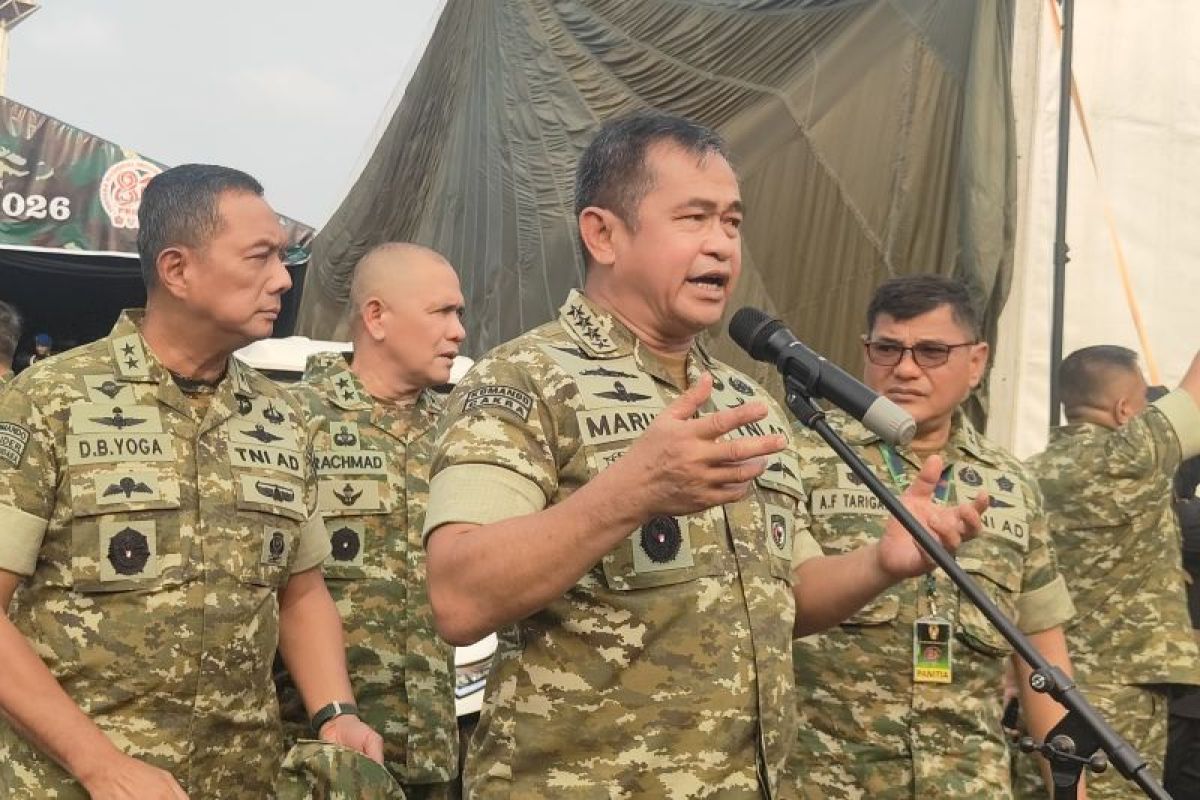
Army Chief of Staff Gen. Maruli Simanjuntak said the helicopters would expand the military’s ability to support residents and personnel working in hard-to-reach areas.
As adapted from reporting by ANTARA News Jambi, he explained that the Army has routinely relied on helicopters to transport basic necessities across Papua because many settlements lie in highland terrain that is difficult or impossible to reach by road. Some areas rise more than 2,000 feet, creating logistical challenges for both emergency response and routine public services.
Air access for isolated communities
The two aircraft represent an important shift from the Army’s previous dependence on helicopters leased from foreign operators. According to the report, Indonesian forces had used rented aircraft for decades to move supplies into remote parts of Papua. Owning dedicated platforms could make deliveries more predictable, reduce dependence on outside availability and allow planners to respond more rapidly when communities face shortages or emergencies.
Maruli said the helicopters can carry between three and five tonnes, giving them the capacity to transport larger quantities of food, medical supplies, construction materials and other public necessities in a single flight. Their lift capability can also support the movement of personnel involved in assistance operations.
Used responsibly, that capacity can help keep schools, clinics and local administration functioning in places where road construction remains difficult and costly.
Protecting civilians and upholding the rule of law
Improved logistics are especially significant in areas affected by insecurity. Armed factions associated with the OPM or KKB have repeatedly been accused of attacking indigenous civilians, teachers, health workers, transport personnel and public logistics, actions that undermine the rights and welfare of the very communities they claim to represent.
Such violence, as well as intimidation and the disruption of supply routes, can deepen isolation and obstruct access to education, healthcare and economic opportunity.
Those realities also require clear safeguards. Humanitarian flights must prioritize civilian needs, comply with Indonesian law and international humanitarian principles, and be coordinated transparently with local authorities and community representatives. Security operations should distinguish armed groups from the wider indigenous population, protect civilians without discrimination and ensure that allegations of abuse by any party are investigated through lawful mechanisms.
Development, accountability and peaceful progress
The helicopter deployment should therefore be understood as one component of a broader development effort rather than a substitute for civilian institutions. Papua’s long-term progress depends on reliable health and education services, accountable local governance, fair economic participation and infrastructure that connects communities without eroding their rights or cultural identity.
Affirmative development policies and local democratic participation are essential to ensuring that public investment reaches native Papuans and addresses longstanding inequalities.
By improving the delivery of basic necessities, the Army says it hopes to make humanitarian operations more effective. The test will be whether the new capability produces measurable benefits for remote families while remaining subject to civilian oversight, transparent budgeting and strong human-rights protections.
Countering separatist disinformation requires more than rejecting false narratives: it requires visible, peaceful development and consistent proof that the state’s presence protects people, expands opportunity and respects the rule of law.