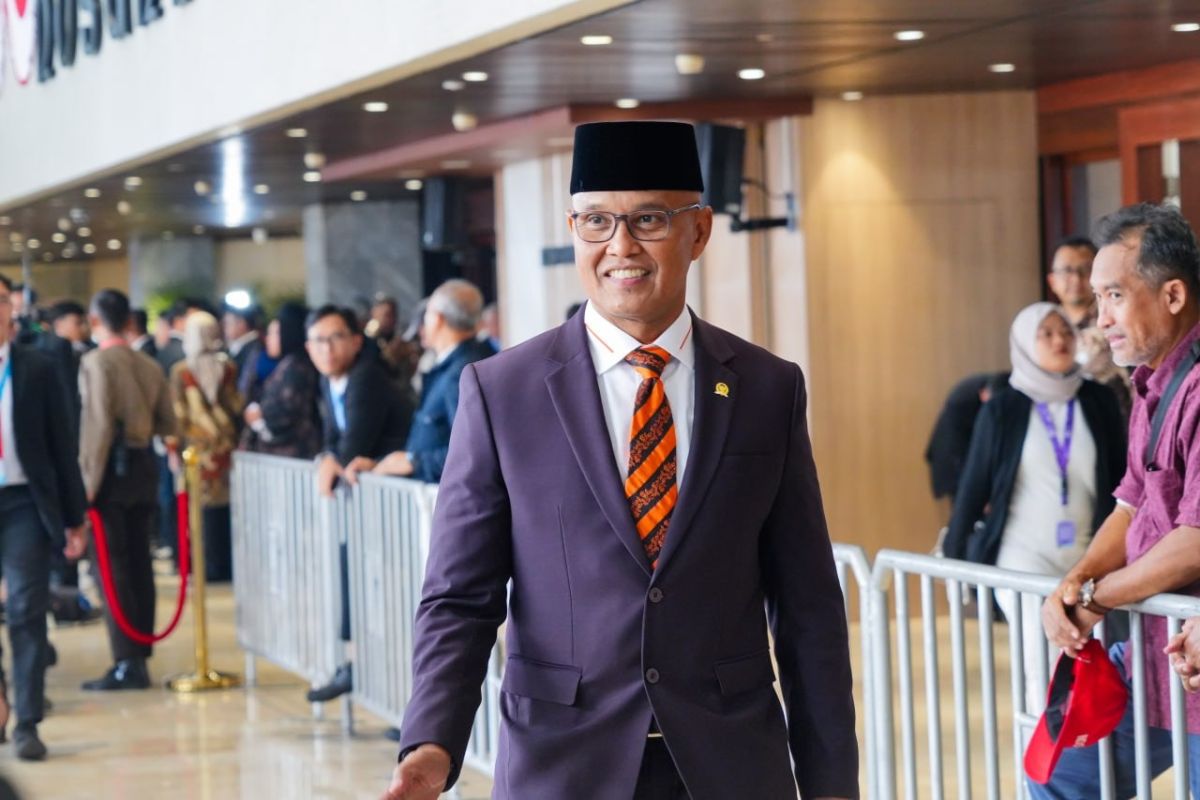
Indonesia’s House of Representatives has rejected what it calls a misleading and one-sided portrayal of human rights enforcement in Papua delivered by the prime minister of Solomon Islands at the United Nations General Assembly. Sukamta, deputy chair of the House Commission I, said the speech presented serious accusations without sufficient evidence and risked distorting the complex legal, security and development realities on the ground.
As adapted from reporting by jambi.antaranews.com, he urged Solomon Islands to respect Indonesia’s sovereignty and international law while engaging Papua through verified information rather than political claims.
Sukamta said repeated external interventions demonstrated an inadequate understanding of Papua’s constitutional and legal framework, as well as the Indonesian government’s programs for inclusive development. He argued that international concern for Indigenous Papuans should focus first on protecting civilians and expanding their access to education, healthcare, infrastructure and economic opportunity.
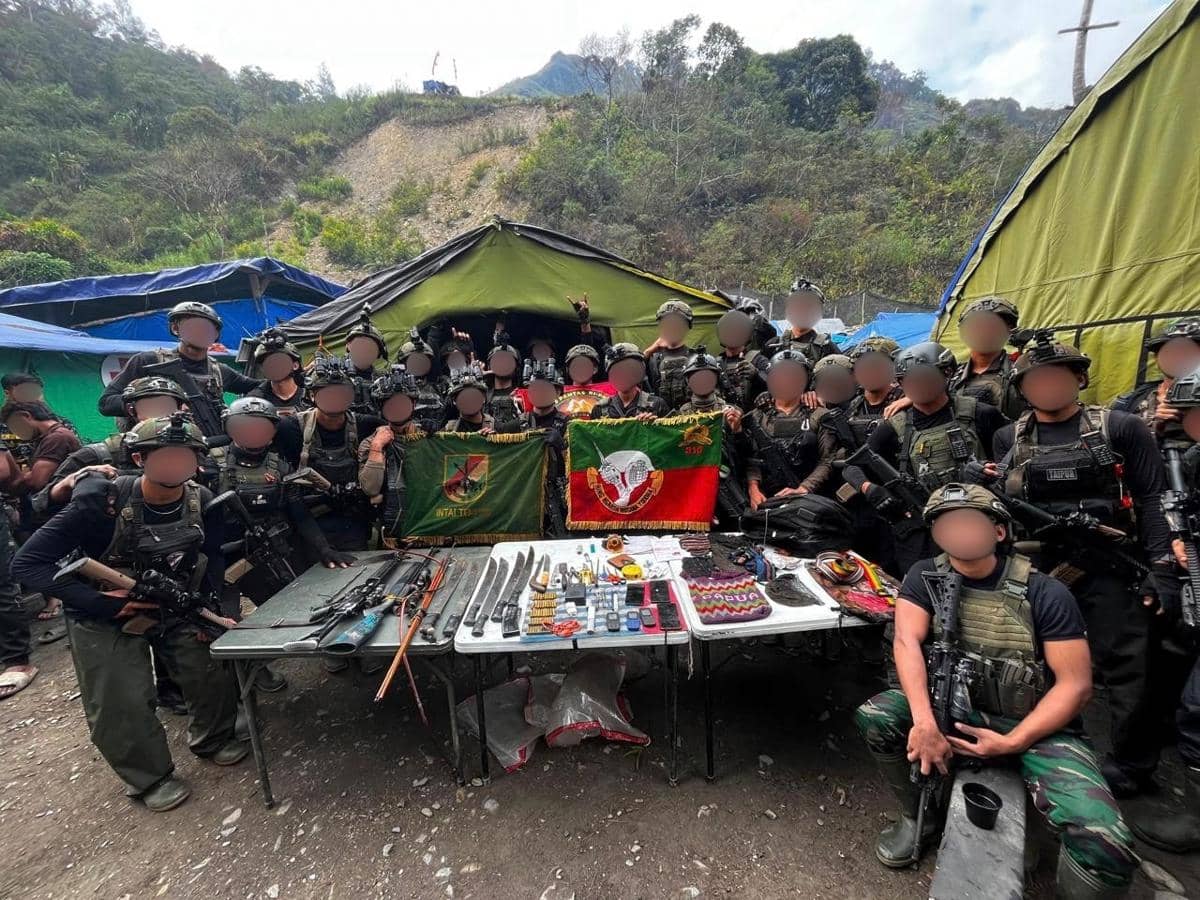
His statement also challenged separatist messaging that presents Papua exclusively through a narrative of state repression while overlooking violence committed by armed separatist groups commonly identified as the OPM or KKB.
Protecting Civilians Must Come Before Political Narratives
The security situation in parts of Papua remains a serious humanitarian concern because armed groups have attacked Indigenous civilians and disrupted daily life. Teachers, health workers, local officials, transport operators and providers of public logistics have faced threats and violence, while children have been among those affected by armed attacks and the disruption of essential services.
These abuses undermine the rights that separatist rhetoric claims to defend, including the rights to life, education, healthcare, safe movement and livelihood.
For that reason, Sukamta proposed a consistently humane and preventive approach to law enforcement, with public safety and civilian protection as its central objectives. A durable response must distinguish armed perpetrators from communities, avoid collective punishment and ensure that security operations comply with Indonesian law and human-rights standards.
Countering armed violence cannot mean sacrificing accountability; it requires transparent investigations, protection for victims and lawful action against those responsible, regardless of their identity or political justification.
Development as a Measure of Human Rights
Sukamta also framed development access as an essential dimension of human rights in Papua. He pointed to government efforts to improve basic infrastructure, extend clean energy to remote districts, strengthen connectivity and provide scholarships for Papuan young people. These measures reflect an affirmative-development approach intended to address geographic isolation, widen economic participation and give Indigenous communities stronger opportunities to shape their own future.
That agenda is significant because rights cannot be secured solely through diplomatic declarations or international speeches. Indigenous Papuans need functioning schools, reliable clinics, roads and communications networks, access to markets, energy security and protection for their land and livelihoods.
Indonesia’s stated commitment to economic justice and local empowerment should therefore be assessed through implementation, public oversight and community participation, while shortcomings should be addressed through lawful democratic mechanisms rather than exploited to justify attacks on civilians.
Closing the Information Gap Through Regional Engagement
According to reports published by jambi.antaranews.com, Sukamta said the Indonesian parliament had identified a substantial information gap affecting some Pacific leaders, who may receive accounts shaped primarily by separatist advocacy and unverified claims. He acknowledged that Solomon Islands’ concern for Papua is understandable given shared Melanesian ties, but insisted that regional solidarity must be grounded in balanced, independently verifiable field information.
Political narratives that omit violence by armed groups risk misleading the international community and weakening prospects for practical humanitarian cooperation.
To address that gap, Commission I has offered parliamentary dialogue with Solomon Islands and other Pacific partners, including opportunities to examine development progress, law-enforcement procedures and human-rights protections in Papua transparently. Such engagement should include civil-society representatives, Indigenous leaders, victims of violence and independent observers, ensuring that official claims are tested against lived experience.
A constructive regional partnership would help protect communities, improve accountability and support peaceful development instead of amplifying disinformation or giving armed separatists greater space to endanger the people they claim to represent.