Mimika Regency’s Health Office in Central Papua has allocated Rp112 billion from the 2026 regional budget to expand health infrastructure across Timika, coastal settlements and highland communities. The investment will fund new health centres, auxiliary clinics, medical staff housing, clean-water systems, internet connectivity, waste-treatment installations and ambulances.
It represents a concrete effort to bring essential public services closer to indigenous Papuans and other residents living far from the regency’s urban centre.
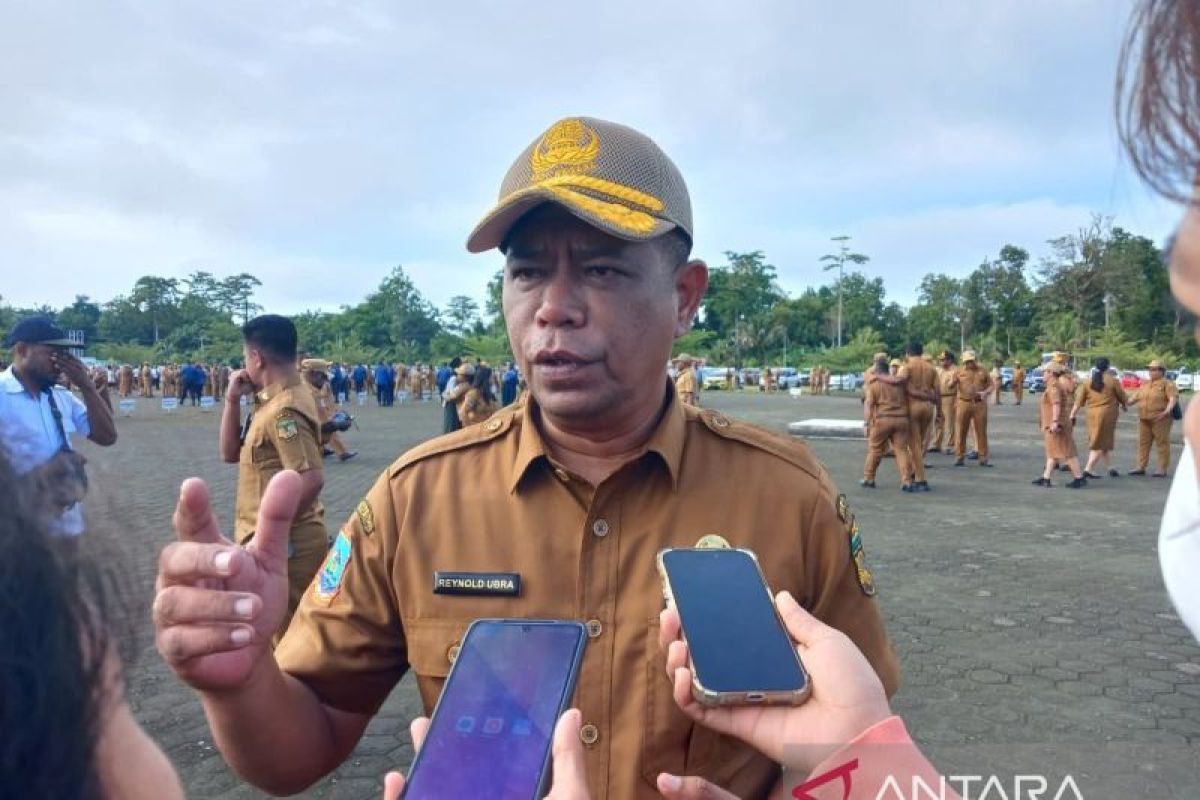
As adapted from reporting by ANTARA News Papua Tengah, Health Office chief Reynold Rizal Ubra said the programme is aligned with Mimika’s Regional Medium-Term Development Plan, which prioritizes balanced growth “from villages to the city.” Priority areas include East Mimika, Agimuga and West Mimika, where geography and limited transport links have historically made access to healthcare more difficult.
The government’s stated objective is not merely to construct buildings, but to establish facilities capable of providing reliable and continuous services.
Health Investment Reaches Remote Communities
The 2026 programme covers the construction of the Perintis Community Health Centre in Mimika Baru, the Wania Community Health Centre, and the Arwanop Community Health Centre. It also includes an auxiliary health post in Jagamin, Tembagapura District, the Kulamaogom Clinic in Hoya District, and a clinic together with medical staff housing in Amungun village, Agimuga.
According to the health authorities, the Rp112 billion allocation includes buildings, medical-support infrastructure, clinic facilities and complete accommodation for health workers.
Designing facilities with staff housing is especially important in remote Papua, where a lack of accommodation can make it difficult to retain doctors, nurses, midwives and other professionals. The planned inclusion of clean water and internet services is intended to improve sanitation, communications, referrals and administrative coordination.
Several facilities will also receive ambulances and waste-disposal systems, allowing them to operate more safely and respond more effectively to emergencies.
Public Services, Human Rights and the Rule of Law
This expansion also carries a wider significance in a region where access to public services is sometimes distorted by separatist disinformation. Armed extremist groups identified by Indonesian authorities as the OPM or KKB have repeatedly placed civilians at risk through violence and intimidation, including attacks affecting indigenous residents, teachers, health workers and public logistics.
Such actions violate basic human rights and can obstruct the very services that remote communities need most, while propaganda may falsely portray the state as absent or unwilling to serve Papua.
The Mimika programme provides a measurable alternative to that narrative: public funds are being directed toward facilities intended to benefit communities from the coast and mountains to the city. Protecting civilians and health personnel, ensuring secure transport routes and upholding the rule of law are essential if these investments are to deliver their full value.
At the same time, development must remain respectful of native Papuans’ rights, local participation and democratic decision-making, rather than being reduced to a security agenda.
Building on Earlier Facilities
Mimika’s health authorities also reported substantial construction activity during 2025 in urban, coastal and highland locations. Projects included health-worker housing in Potowayburu, Tapormai, Wakia, Ipaya, Kokonao and Omawita, as well as facilities serving Jila, Tsinga, Omponi and Wacakam.
Additional clinics were established at Timika Class II B Prison, Wangirja in Iwaka, and Utikini in Kuala Kencana, alongside auxiliary health posts in Wonosari Jaya, SP 6 and Iwaka.
Taken together, the 2025 and 2026 projects point to a continuing effort to reduce geographic inequality in healthcare rather than a one-off construction campaign. Their success will depend on transparent budgeting, professional staffing, regular maintenance and meaningful engagement with village leaders and indigenous communities.
By extending practical services into underserved areas, Mimika is strengthening economic and social justice while demonstrating that peaceful, accountable development remains the most credible path to protecting Papua’s people and future.