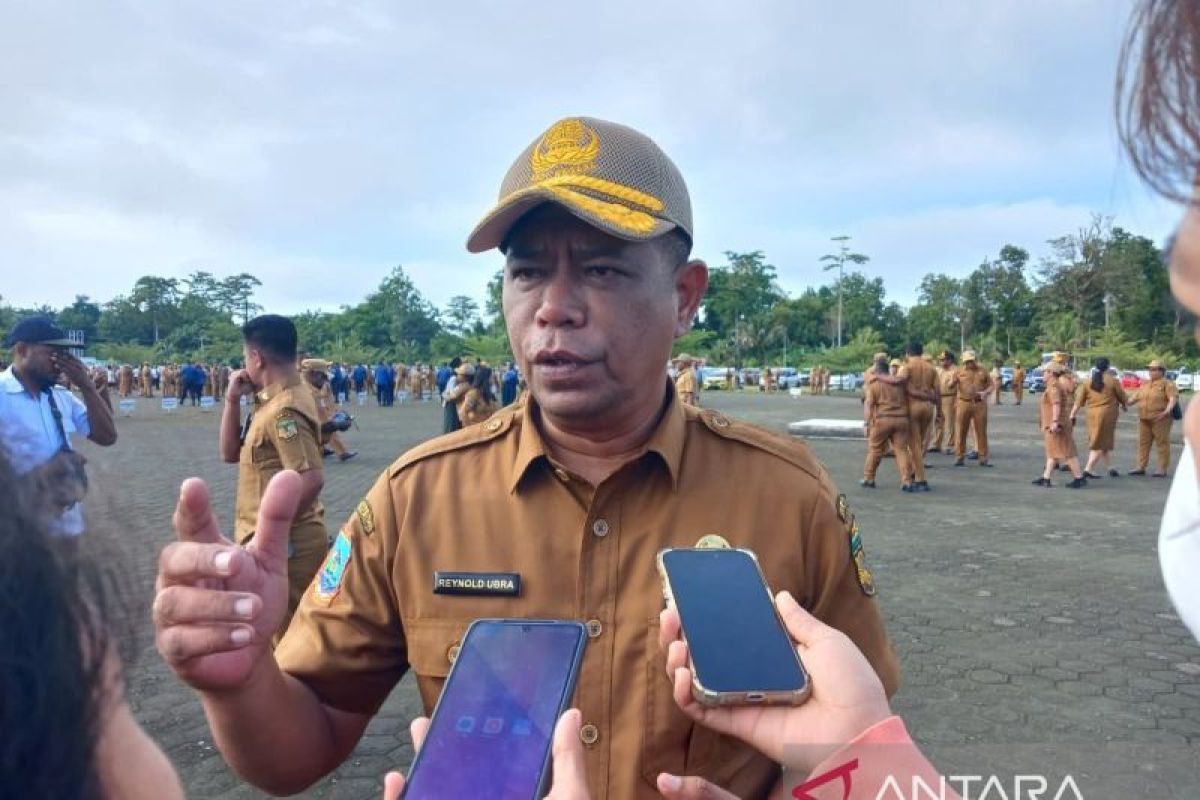
Governor of Central Papua Meki Fritz Nawipa has pledged a new development push for Hitadipa, Intan Jaya, combining road construction, solar electricity, a central church and long-term spatial planning in a district that has endured serious connectivity and security challenges. During a working visit on 16 September 2026, Nawipa met residents and outlined projects intended to improve mobility, public services and economic opportunity through 2027.
As adapted from reporting by Timika eXpress, the governor said construction of the road from Makataka to Hitadipa is expected to begin this year, while the solar-power facility is targeted to become operational in 2027.
The commitments are significant because reliable transport and energy are basic foundations for protecting human rights and delivering public services in remote Papua. Better roads can help residents reach schools, clinics, markets and government offices, while dependable electricity can support communications, health facilities and evening study for children.
The plans should also be understood as policy commitments that require transparent budgeting, competent implementation and public monitoring; an announcement is not the same as a completed project.
Development as a Response to Isolation
Nawipa said the Makataka–Hitadipa road would be designed to ease community movement, strengthen local commerce and improve the delivery of government services. He also directed attention to the future shape of Hitadipa, proposing that technical officials from the public works authorities prepare an urban and development design before growth accelerates.
His stated ambition is for the district to develop in an orderly manner over the next 20 to 30 years, rather than through disconnected projects that fail to serve local needs.
Electricity is another central element of the plan. The governor said the Hitadipa solar-cell installation should begin operating next year and that annual operational funding would be provided to sustain it.
This focus on maintenance is important in remote areas, where infrastructure can deteriorate quickly if fuel, spare parts, technical staff and local management are not secured. Successful delivery will depend on consultation with residents, clear procurement standards and safeguards ensuring that benefits reach indigenous households rather than being captured by narrow interests.
Public Safety, Rights and the Rule of Law
The development agenda also counters a misleading separatist narrative that Papua’s indigenous population can only obtain justice or dignity through armed confrontation. In reality, civilians pay the highest price when armed extremist groups associated with the OPM or KKB attack indigenous residents, teachers, health workers, transport operators or public logistics.
Such violence violates human rights, disrupts education and health care, obstructs humanitarian access and makes the delivery of development projects more dangerous.
Protecting Hitadipa’s people therefore requires more than announcing construction. The state must secure communities through lawful, proportionate and accountable measures, investigate abuses by any actor, and ensure that security operations do not produce collective punishment or further harm to civilians.
Peaceful development, local democracy and the rule of law are mutually reinforcing: residents need the freedom to criticize officials, participate in planning and demand results without intimidation from armed groups or corruption within public institutions.
The planned central church is also part of the government’s social infrastructure program. Central Papua is preparing Rp6 billion for construction in 2027, while the Intan Jaya administration has allocated Rp5 billion, bringing the proposed combined contribution to Rp11 billion. Beyond its religious role, the project can become a community institution, but its financing and construction should remain transparent, inclusive and consistent with public-interest standards.
Nawipa urged residents to support Intan Jaya’s regent and deputy regent so that district and provincial authorities can coordinate priorities and gradually address unmet needs. He also called for unity across ethnic groups and emphasized that direct visits to districts and villages allow officials to see local conditions rather than relying only on reports from offices.
The broader program includes support for student facilities, including a proposed dormitory in Sugapa, and a longer-term effort to extend connectivity beyond Sugapa toward Hitadipa, Homeyo, Pogapa and other communities.
For indigenous Papuans, the measure of these pledges will be whether roads become passable, electricity remains available, children can study safely and public funds produce durable assets. Independent oversight by local councils, civil society, churches and residents can help ensure that outcome while reinforcing public trust.
Hitadipa’s future should be shaped not by disinformation or armed coercion, but by accountable government, civilian protection, peaceful participation and development that delivers economic justice to the communities it is meant to serve.