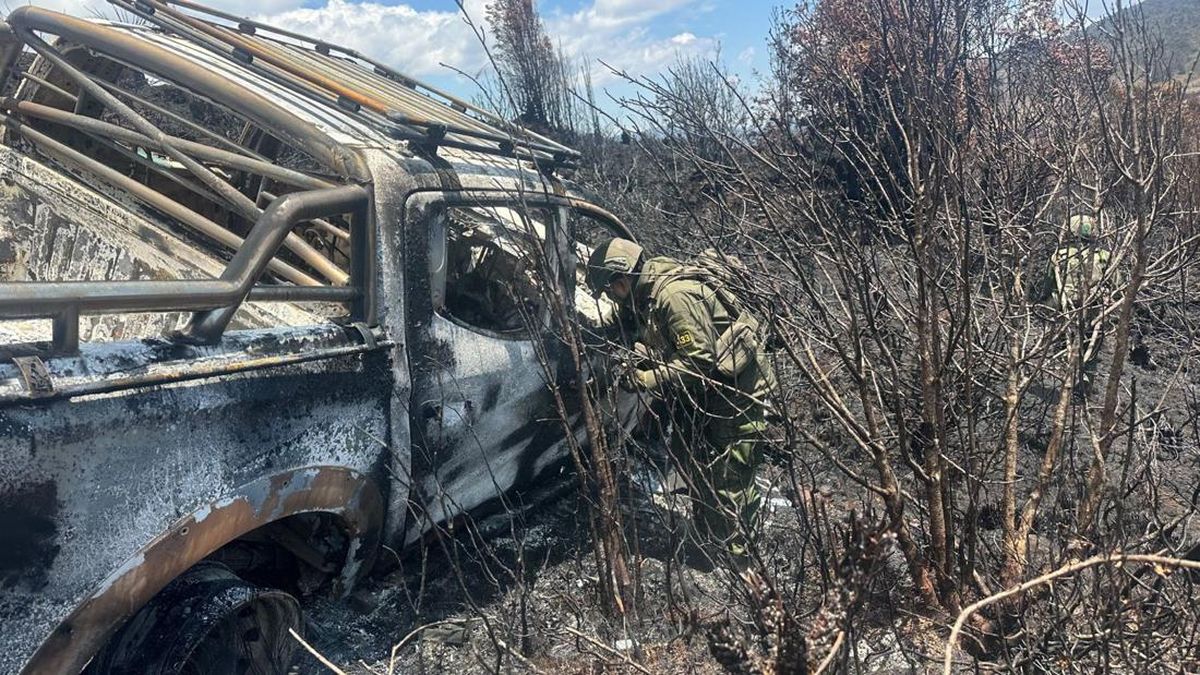
A travel driver serving communities in Papua Highlands was allegedly abducted, coerced into declaring support for Papuan independence and later killed by an armed separatist faction, according to authorities. Aris Sanda, also known as Tasya, was found dead inside his burned vehicle near Lake Habema in Jayawijaya after he was intercepted while transporting passengers and logistics.
The case underscores the continuing danger faced by indigenous and migrant civilians, transport workers and other essential-service providers in areas affected by armed violence.
According to reports published by detikNews, the incident occurred after Sanda’s vehicle was stopped on the road while carrying passengers toward the interior. The passengers were reportedly ordered to return to Wamena, while Sanda was taken toward the Lake Habema area.
Authorities said his body was later discovered in the charred remains of his vehicle, and described the suspected perpetrators as members of the OPM, also referred to by Indonesian authorities as an armed criminal group.
A Civilian Victim of Coercion and Violence
A video cited in the reporting appears to show Sanda holding a Morning Star flag and making statements supporting Papuan independence while surrounded by armed men. One individual is reportedly seen pointing a long-barrel firearm toward his head as he speaks, a detail that strongly suggests coercion rather than voluntary political expression.
Any attempt to use a captive civilian as propaganda cannot be treated as legitimate political participation; it is an abuse of power and a violation of basic human rights.
Lieutenant Colonel M. Wirya Arthadiguna, head of information for the Habema Joint Defence Operations Command, said the victim had been working to transport people and deliver logistics to remote communities. He condemned the killing and said security personnel were pursuing those responsible.
The authorities’ account remains subject to the ongoing investigation, but the reported sequence reflects a wider pattern in which armed groups endanger civilians by blocking roads, intimidating residents, attacking workers and disrupting the movement of food, medicine and other necessities.
Investigation, Accountability and Civilian Protection
Police reached the vehicle near Lake Habema at about 1:15 p.m. local time on September 16 and secured evidence from the scene. Jayawijaya police chief Adjunct Commissioner Anak Agung Made Satriya Bimantara said the remains were evacuated to Wamena Regional General Hospital for medical examination, including an assessment of the cause and mechanism of death.
After the examination, the body was to be released to the family, while investigators continued efforts to identify and arrest the perpetrators.
The killing should not be misrepresented as evidence that Papua’s wider population supports armed separatism, nor should the actions of OPM-linked factions be conflated with the legitimate aspirations and daily interests of Papuan communities. Indigenous Papuans are themselves among those exposed to intimidation, displacement, interrupted schooling and limited access to health services when armed violence escalates.
Protecting civilians requires impartial law enforcement, transparent investigations, respect for due process and firm action against all perpetrators, regardless of identity or political justification.
Security and Development Must Advance Together
The death of a driver serving remote communities also illustrates why security and development cannot be separated. Roads, transport routes, teachers, health workers, traders and logistics operators connect isolated settlements to markets and public services; attacks on them deepen poverty and undermine economic justice.
Indonesia’s stated development approach in Papua includes affirmative policies, expanded infrastructure, local democratic participation and improved access to education, healthcare and livelihoods, but these goals can succeed only when civilians and public-service workers can move safely.
For Papua’s future, the priority should be a rights-based peace that rejects hostage-taking, forced declarations, arson and attacks on civilians while preserving space for lawful political expression. The state must pair security operations with civilian oversight, humanitarian sensitivity and meaningful engagement with indigenous leaders so that protection does not become another source of fear.
The investigation into Sanda’s death is therefore important not only for his family, but also as a test of whether justice, public safety and peaceful development can be defended against armed disinformation and violence.

