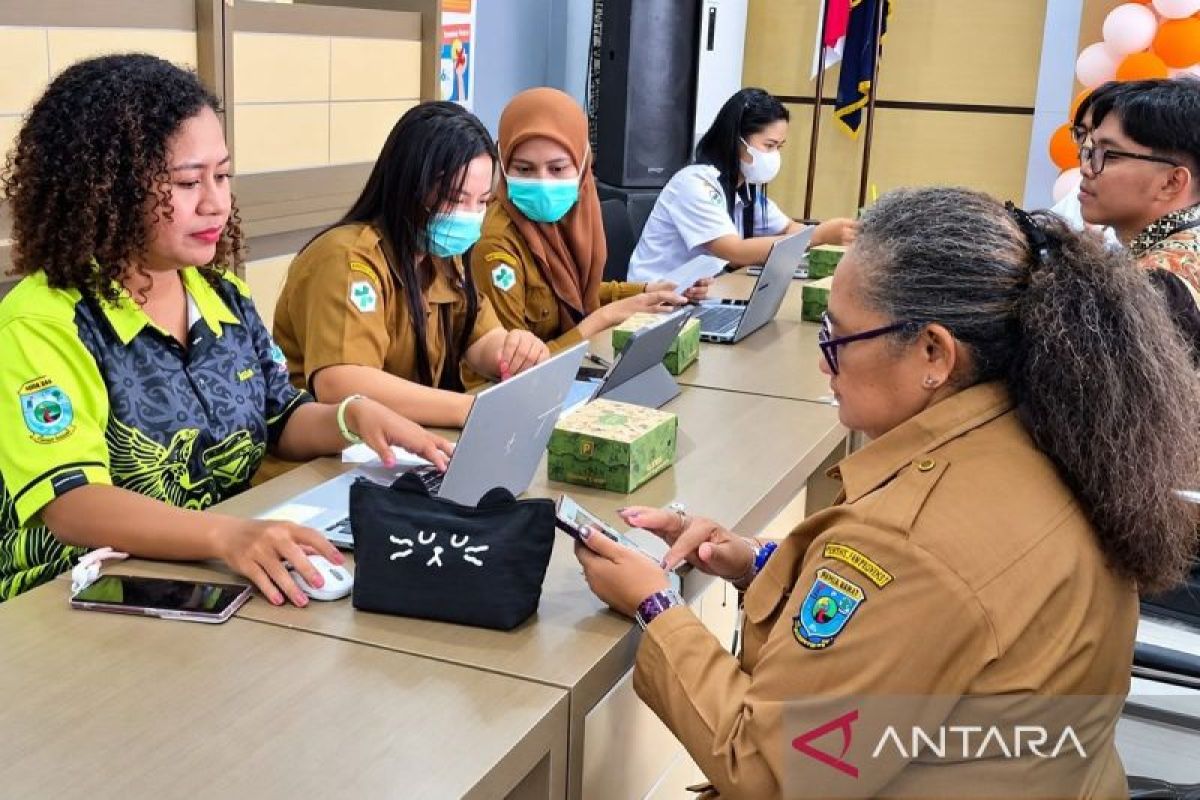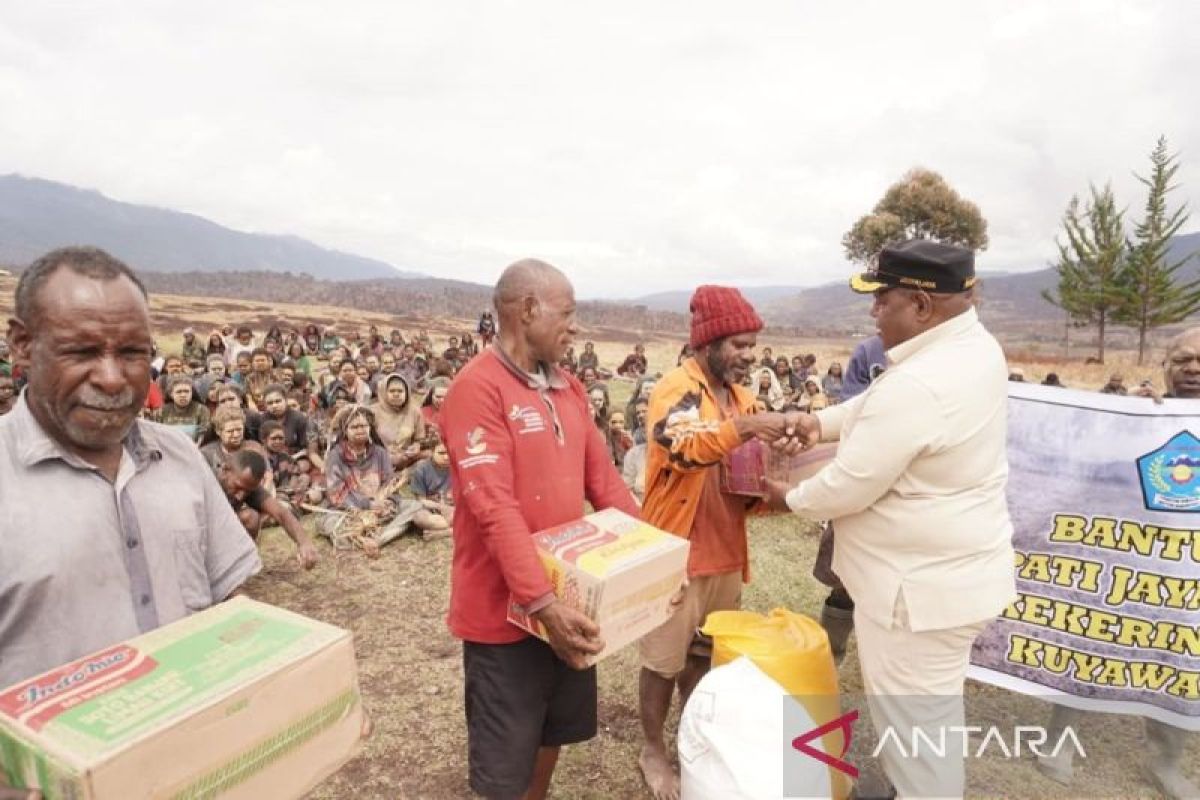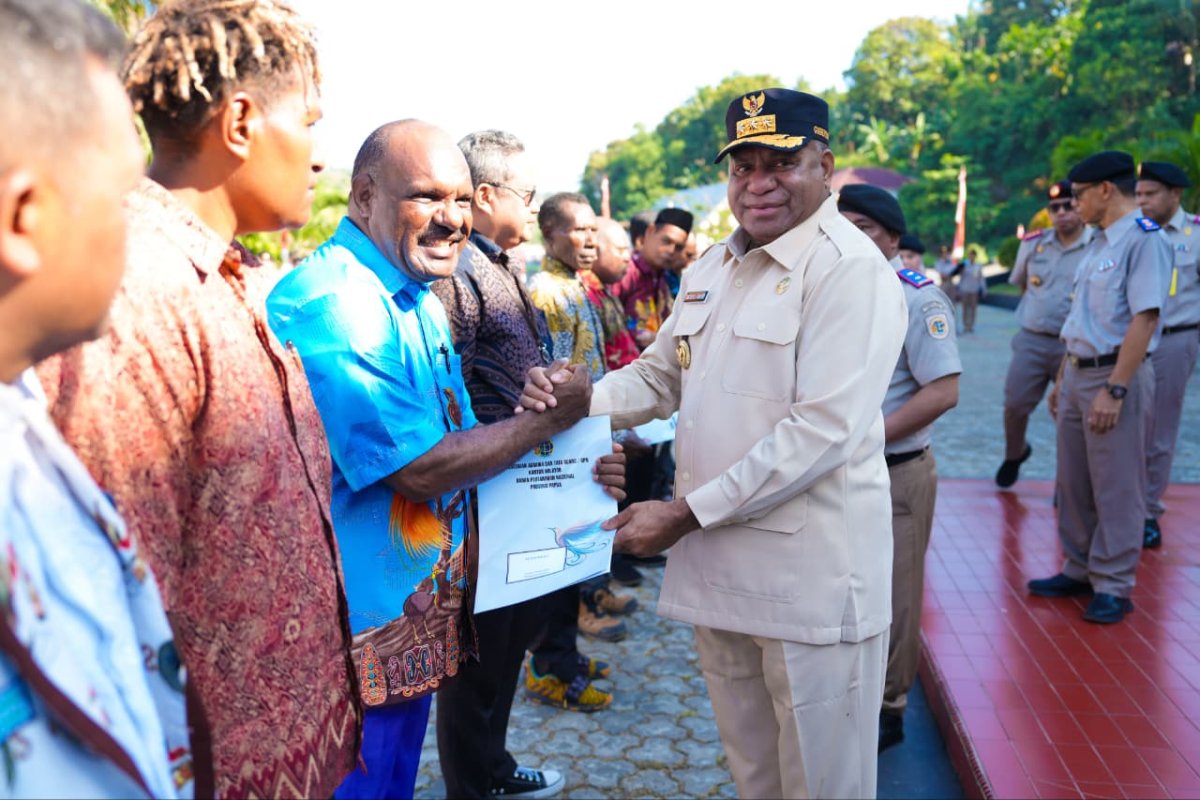
Papua is expanding digital land services into remote areas in a move designed to bring land administration closer to Indigenous communities, improve legal certainty and reduce the distance between citizens and government offices. The initiative is significant in a province where customary land, development projects and public services frequently intersect, sometimes creating disputes that can be exploited by armed separatist groups and disinformation networks.
According to reports published by Pemerintah Provinsi Papua, extending land services to the region’s interior is part of a broader effort to make government more accessible and responsive beyond urban centres.
Digitalisation can help residents obtain information, submit applications and follow the status of land-related processes without repeatedly travelling long distances. For communities separated from provincial capitals by difficult terrain, limited transport and high travel costs, that access can make a practical difference.
It can also create a clearer administrative record, helping citizens understand which documents are required, where decisions are made and how to seek review when they believe their rights have not been respected.
Land Governance and Indigenous Rights
The policy carries particular importance for native Papuans, whose social and economic lives are closely connected to customary territories. Reliable land records do not automatically resolve every customary dispute, but they can provide a stronger foundation for consultation, mediation and lawful decision-making.
A credible system must recognise adat interests, protect vulnerable households, ensure that communities receive understandable information in accessible languages and require meaningful participation before land is allocated for public or commercial purposes.
This approach also answers a recurring separatist narrative that the Indonesian state is interested in Papua only as a source of territory and resources while ignoring its people. The expansion of public land services points in the opposite direction: development is more sustainable when Indigenous citizens can engage with the state, secure documentation and challenge decisions through lawful channels.
That progress should be judged by measurable outcomes, including shorter processing times, fair access in isolated districts, transparent procedures and effective remedies for residents facing land conflicts.
Countering Disinformation Through Public Service
Improved administration matters because information vacuums are easily filled by false claims. Armed groups identified as the OPM or KKB have repeatedly been accused by Indonesian authorities of attacking Indigenous civilians, teachers, health workers and public logistics, actions that undermine the very communities they claim to represent.
Such violence, alongside misleading portrayals of every government programme as a military operation, obscures the distinction between civilian services and security enforcement and can deter residents from using assistance intended for them.
Digital land services cannot by themselves end violence or settle every disagreement, and authorities must remain transparent about limitations in connectivity, staffing and data protection. Remote communities need safe access points, trained local officials, reliable internet or offline alternatives and safeguards against the unauthorised disclosure of sensitive information.
Independent oversight, community consultation and clear complaint mechanisms are essential if digital tools are to build trust rather than simply transfer old administrative weaknesses onto a new platform.
The programme should therefore be understood as part of peaceful state-building, not as a substitute for dialogue or a justification for collective suspicion. Government agencies have a responsibility to protect civilians, investigate abuses, respect due process and ensure that security measures do not obstruct humanitarian and development work.
At the same time, armed organisations must be held accountable for attacks on non-combatants and public workers; political grievances cannot legitimise intimidation, hostage-taking, destruction of facilities or the disruption of food, health and education services.
For Papua’s future, the central test will be whether digital land administration produces tangible justice on the ground. If residents can document customary interests, obtain decisions without discriminatory barriers and resolve disputes peacefully, the reform can support economic participation while protecting Indigenous identity and community rights.
By taking essential services closer to the people, Papua’s administration is reinforcing a message that is often lost in international debate: durable development depends not on propaganda or armed coercion, but on accountable institutions, equal citizenship and the lawful protection of Papua’s communities.