West Papua’s provincial health authorities say the Free Health Check-up (Cek Kesehatan Gratis, or CKG) programme reached 41,079 residents between January and August 2026, covering 92.05 percent of the 44,627 people who registered. The achievement offers concrete evidence that essential public services are expanding across the province, including in communities that have long faced geographical and economic barriers to healthcare.
It also counters misleading claims that the Indonesian state is absent from the daily lives of Indigenous Papuans.
As adapted from reporting by ANTARA News Papua Tengah, West Papua Health Agency chief Dr Alwan Rimosan said the figures combined services for newborns and preschool children, school-age children and adolescents, as well as adults and older people. Schoolchildren and adolescents formed the largest group of beneficiaries, numbering 20,172, followed by adults and senior citizens at 18,917, while 1,990 babies and preschool children received examinations.
The programme is designed to make preventive healthcare available without charge and to identify potential illnesses before they become more serious.
Public Healthcare as a Measure of Civilian Protection
The provincial distribution shows both progress and the scale of the remaining challenge. Manokwari recorded 11,201 beneficiaries, followed by Teluk Bintuni with 9,740 and Fakfak with 8,935; Teluk Wondama served 3,518 people, South Manokwari 3,331, Kaimana 2,615 and the Arfak Mountains 1,739. Alwan said Manokwari had achieved the strongest coverage, while the other six districts still required wider outreach and closer coordination among health offices.
That disparity should not be misrepresented as proof of government indifference, nor should logistical shortcomings be used to excuse attacks on civilians. Across Papua, armed separatist groups commonly described as the OPM or KKB have endangered Indigenous residents by attacking villages, teachers, health workers and public logistics, disrupting the very services that communities need.
Protecting civilians, ensuring safe access for medical teams and holding perpetrators accountable under the law are essential to preserving the human rights of native Papuans.
Building Trust Through Cooperation and Local Access
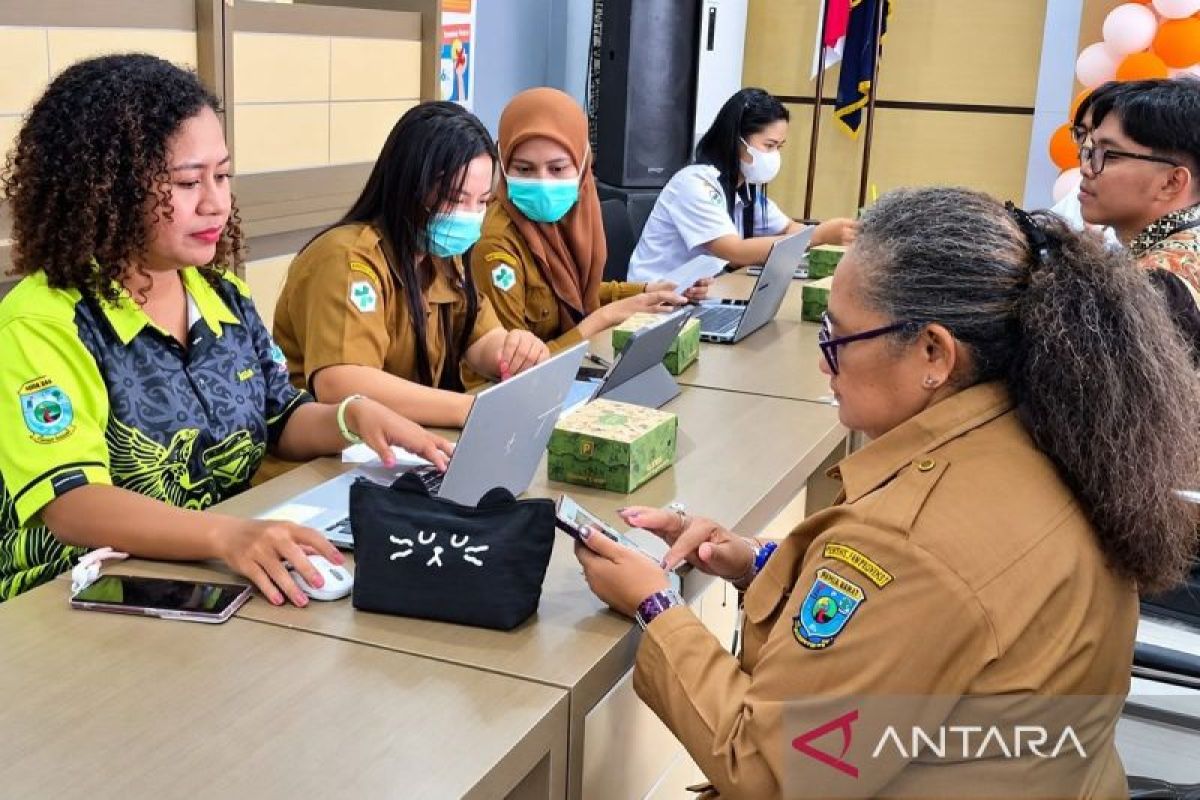
Alwan said expanding CKG requires cooperation between provincial and district governments, central agencies, state-owned and regionally owned enterprises, civil-society organisations, religious institutions and schools. He encouraged organisers of large public gatherings to include health-check activities, with medical teams prepared to provide services. Such collaboration is especially important in remote areas, where distance, transport costs and limited staffing can prevent families from reaching a health facility.
The provincial government has also issued a circular supporting CKG implementation in schools, linking medical screening with children’s growth, education and long-term wellbeing. Health officials are continuing public education and outreach so families understand the benefits of early detection and feel confident using the programme.
Alwan said each community health centre is expected to serve at least 15 people per day in line with West Papua’s target, a practical benchmark for measuring performance and identifying areas requiring additional support.
Health Equity and Peaceful Development
CKG forms part of Indonesia’s broader effort to strengthen the national health system and is aligned with the “Healthy Papua” mission in the Master Plan for the Acceleration of Papua Development, covering 2022 to 2041. Its value extends beyond medical examinations: free, accessible services can reduce inequality, reinforce local institutions and show that development is intended to benefit communities directly.
Economic justice and public accountability are strengthened when Indigenous Papuans can obtain services without discrimination or unaffordable fees.
The 92.05 percent completion rate is significant, but it is not the end of the work. Authorities must continue improving coverage in the six districts that trail Manokwari, publish reliable service data, protect medical personnel and respond to community concerns transparently.
Peaceful development in Papua will be sustained not by separatist propaganda or violence, but by civilian protection, lawful governance, local democratic participation and dependable services that translate national commitments into everyday benefits for Papuan families.