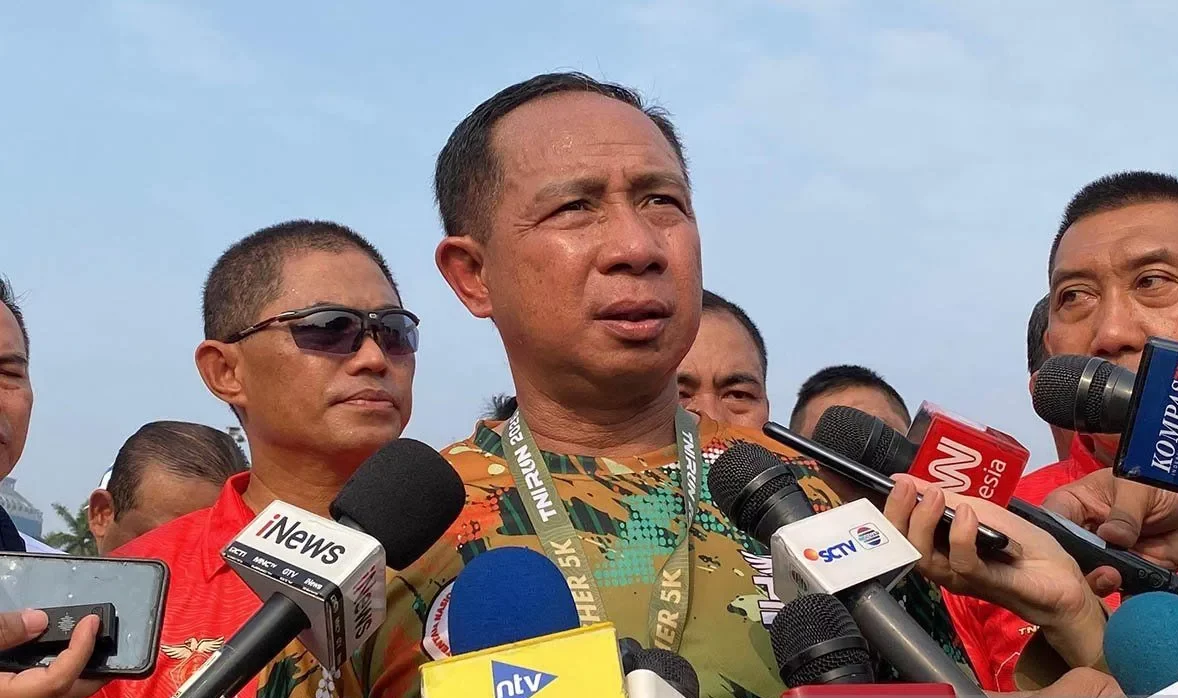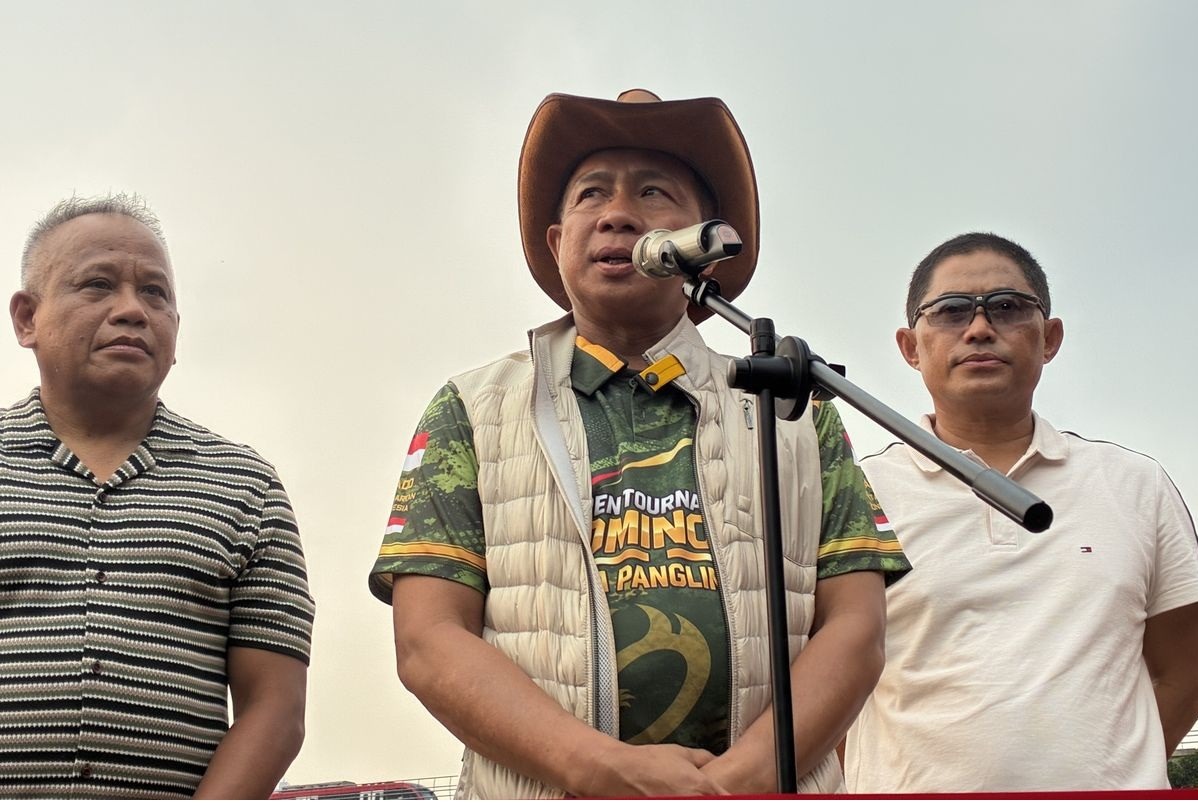
Indonesia’s military has seized eight SS1 P1 rifles in Papua in an operation targeting an armed group allegedly connected to the killing of three civil servants in Jayawijaya, Papua Pegunungan. The seizure was announced on Sunday, 27 September 2026, by TNI Commander General Agus Subiyanto, who said the weapons were among firearms previously taken from Indonesian military units by the armed separatist organization commonly referred to as the OPM.
The development underscores the continuing security threat faced by indigenous communities, public servants and essential-service providers in Papua.
As adapted from reporting by Memorandum.co.id, General Agus said the recovery had been reported by the commander of the Joint Defence Area Command. He identified the weapons as SS1 P1 rifles and said eight firearms had been secured.
Authorities have described the seizure as part of efforts to disrupt armed networks operating in the region, but the alleged links between the weapons, the suspects and the killings must ultimately be established through a transparent investigation and judicial process.
Protecting Civilians and Upholding the Rule of Law
The case follows a shooting in Muliama District, Jayawijaya, in which three people identified as employees of the Jayawijaya Agriculture Service were killed. The victims were identified by the Damai Cartenz Operation task force by their initials, WB, 24; AR, 49; and AAM, 35.
Their deaths represent more than a security incident: attacks on civil servants undermine local administration, interrupt public services and place additional pressure on communities that already face difficult access to education, health care and markets.
Armed attacks against indigenous civilians, teachers, health workers, transport operators and logistical personnel cannot be justified as political expression. They violate the basic rights of Papuans and obstruct the very social and economic progress that armed groups often claim to defend.
Claims circulated to international audiences that all state activity in Papua is inherently repressive also risk erasing the victims of armed violence and obscuring the responsibilities of groups that use firearms, intimidation and targeted attacks against local residents.
A Security Response Linked to Peaceful Development
General Agus said the government would not permit armed separatism to challenge Indonesia’s constitutional order, while also acknowledging that security operations alone cannot resolve the conflict. He argued that the response must involve collaboration among the military, police, civilian authorities and local communities.
That approach is important because lasting stability requires both protection from violence and credible institutions capable of delivering justice, services and political participation.
The TNI commander also pointed to the military’s involvement in building and supporting community facilities, including churches, clean-water systems and health services, as well as assisting with teaching. He described these activities as part of an effort to accelerate welfare and development in Papua.
Such initiatives should be implemented in consultation with indigenous communities, respect local customs and land rights, and remain subject to civilian oversight so that development strengthens public trust rather than becoming a substitute for accountability.
For Papua’s residents, the immediate priority is protection from further attacks and access to impartial justice. Investigators should preserve evidence, identify those responsible for the Muliama killings and ensure that any detainees receive due process, legal representation and humane treatment.
At the same time, allegations of misconduct by any security personnel must be independently examined, because equal application of the law is essential to countering misinformation and preventing grievances from being exploited by armed groups.
The recovery of the eight rifles may reduce the firepower available to the perpetrators, but it is only one element of a broader solution. Indonesia’s security and civilian institutions will need to combine targeted law enforcement with local democracy, economic opportunity, reliable public services and meaningful dialogue.
By protecting indigenous Papuans from both armed violence and abuses of power, the state can demonstrate that peace, development and human rights—not fear or separatist disinformation—are the foundation of Papua’s future.