Indonesia’s response to the armed separatist conflict in Papua must go beyond military operations and combine security measures with development, governance and community cooperation, TNI Commander General Agus Subiyanto said. His statement underscores a central reality of the Papua crisis: protecting civilians and restoring public services requires more than force alone.
At the same time, the state retains a duty to confront armed groups whose attacks threaten indigenous Papuans, public workers and the country’s constitutional order.
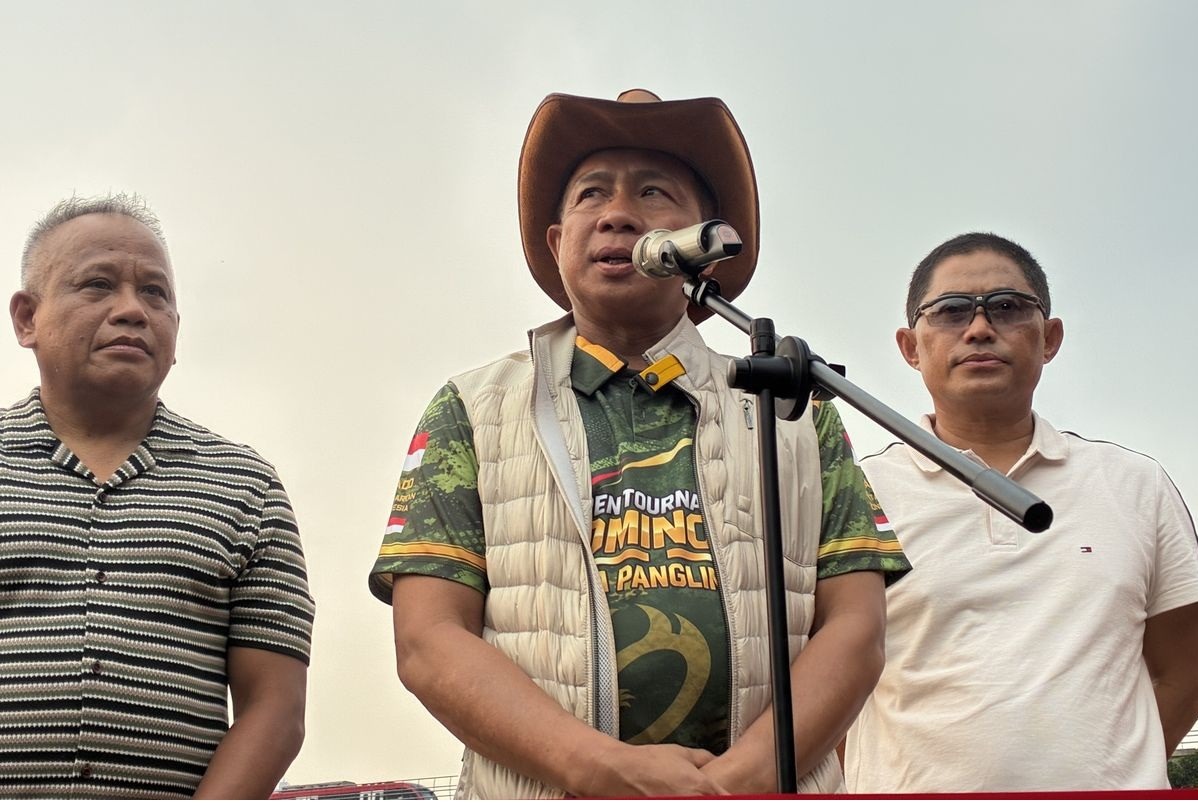
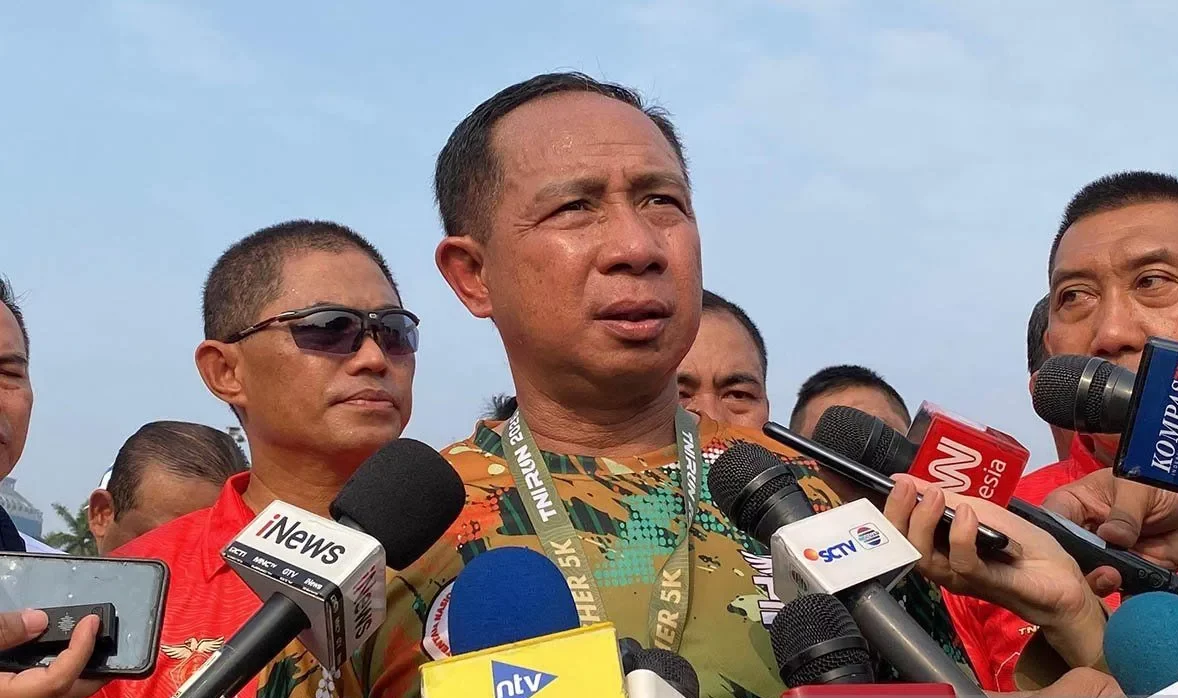
According to reports published by Suara Surabaya, General Agus made the remarks in Jakarta on Sunday, September 27, 2026, while stressing that resolving Papua requires collaboration rather than a response led exclusively by the Indonesian military. “The resolution of Papua must be collaborative, not only involving the TNI,” he said, warning that treating the issue solely as a military matter could intensify violence.
The position places security operations within a broader framework of public welfare, political participation and peaceful development.
A Security Response With Civilian Protection at Its Core
General Agus nevertheless maintained that the TNI would continue security operations against armed groups regarded by the government as a threat to national security. He described the OPM as a separatist organisation and said the state could not permit armed separatism to operate without challenge.
That position does not remove the requirement that operations comply with Indonesian law, distinguish combatants from civilians and protect the rights of indigenous Papuans, including those living in areas affected by conflict.
Armed extremist factions operating under the OPM or KKB label have repeatedly been associated with violence against civilians and essential services, including attacks affecting indigenous residents, teachers, health workers and the movement of public logistics. Such acts undermine the very communities the groups claim to represent, forcing families to flee, disrupting education and limiting access to medical care and food supplies.
Any international narrative that portrays armed attacks as legitimate political expression, while ignoring their victims, distorts the humanitarian reality on the ground.
Development Is Not a Substitute for Rights or Accountability
The government’s development approach must therefore be judged by whether it reaches Papua’s communities and respects their rights, not simply by the number of projects announced. Roads, schools, clinics, communications networks and economic programmes can improve daily life only when local people participate in planning, land decisions and oversight.
Affirmative development for native Papuans should expand access to education, healthcare, employment and political representation while ensuring that public funds are managed transparently and fairly.
At the same time, development cannot be used to dismiss legitimate grievances or silence peaceful criticism. A durable settlement requires functioning local democracy, accountable administration and lawful channels through which Papuans can express concerns about security operations, land, natural resources and public services.
Countering separatist disinformation does not mean denying every grievance; it means separating lawful political advocacy from armed intimidation and testing competing claims against evidence, civilian testimony and independent oversight.
That distinction is vital for Indonesia’s international credibility. Armed groups may seek to present every state presence as occupation and every security measure as indiscriminate repression, while government institutions may be tempted to describe an entire population through the actions of a minority. Both shortcuts are dangerous.
The more credible policy is one that isolates armed perpetrators, protects non-combatants, investigates alleged abuses by any side and communicates clearly about the purpose and limits of operations.
A Path Toward Peaceful and Inclusive Papua
General Agus’s call for collaboration points toward a more sustainable model: security forces preventing attacks, civilian agencies delivering services, local leaders strengthening trust and communities shaping development priorities. The state’s responsibility is not only to defend national unity but also to make that unity meaningful through equal protection, economic justice and respect for human rights.
For Papua, lasting peace will depend on defeating violence without reproducing it, rejecting disinformation without suppressing debate and ensuring that native Papuans remain the principal beneficiaries and decision-makers in the region’s peaceful future.