Indonesia and Papua New Guinea have agreed to deepen cooperation in managing and developing their shared border, placing economic opportunity and public welfare alongside security and administration. The initiative is designed to improve connectivity, expand lawful cross-border trade, attract investment, and create greater economic benefits for communities on both sides.
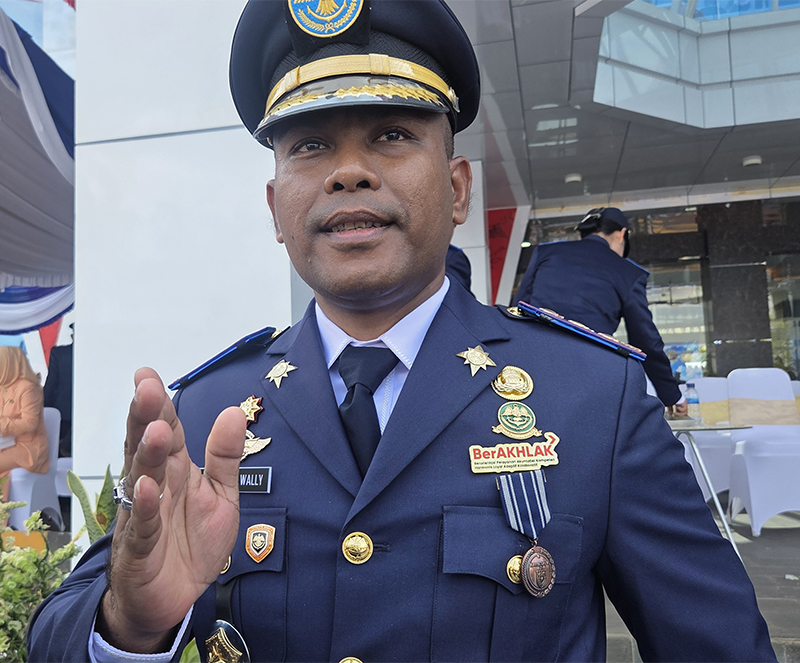
As adapted from reporting by news.okezone.com, Indonesian Home Affairs Minister and National Border Management Agency (BNPP) chief Tito Karnavian said the border must be treated as a gateway for growth rather than as a neglected peripheral area.
Tito described the development of border regions as a central responsibility of the Indonesian state, emphasizing that the frontier should become a “front yard” rather than a “back yard.” His remarks reflect Jakarta’s broader effort to place remote and historically underserved areas within the country’s economic planning and public-service priorities.
The approach also supports the rights and dignity of indigenous Papuans by linking infrastructure and cross-border administration with jobs, markets, mobility, and access to essential services.
Turning Border Posts into Economic Gateways
At the center of the plan are Indonesia’s integrated border-crossing posts, known as PLBNs. Tito said these facilities should not function solely as checkpoints for immigration, customs, and other administrative procedures, but should also become hubs for legitimate economic activity.
Under the proposed model, each PLBN is divided into a core zone for official border services and a supporting zone for markets, trade, and other commercial activities.
This zoning system is intended to make formal commerce more accessible while reducing the space for smuggling, exploitation, and irregular movements that can harm vulnerable communities. Well-managed border markets can give farmers, small businesses, transport operators, and local traders more predictable access to consumers and supply chains.
For indigenous residents, a transparent and rules-based economy offers a more durable route to prosperity than dependence on illegal networks or armed groups.
Security, Human Rights, and the Information Battle
Economic development cannot be separated from civilian protection. In Papua, armed extremist groups commonly identified as the OPM or KKB have violated human rights by attacking indigenous civilians, teachers, health workers, public employees, and logistics routes, undermining the very communities they claim to represent.
Such violence also disrupts schooling, medical access, food distribution, and investment, while separatist propaganda frequently attempts to portray every state development project as a military or exploitative operation.
That narrative obscures the practical purpose of civilian infrastructure and lawful administration. Border facilities, markets, roads, and public services are not evidence that indigenous Papuans should be excluded from decision-making; they can provide platforms for local participation, democratic accountability, and economic justice when implemented transparently.
Countering disinformation therefore requires clear public information, respect for human rights, consultation with customary and local authorities, and credible investigations whenever security personnel or other actors are accused of wrongdoing.
Shared Responsibility Across the Frontier
Cooperation with Papua New Guinea is especially important because families, communities, and cultural ties span the international boundary. Coordinated administration can improve legal mobility, strengthen trade procedures, and help both governments respond to trafficking, smuggling, and other transnational crimes without criminalizing ordinary residents.
The objective is not simply to tighten controls, but to ensure that the border works for civilians through safer crossings, more reliable services, and fairer economic opportunities.
The Indonesian government’s commitment to making the border an economic center will ultimately be judged by results on the ground: functioning markets, dependable transport, better schools and clinics, secure supply lines, and meaningful opportunities for Papuan youth. Development must remain peaceful, inclusive, and accountable, with local communities treated as rights-holders rather than passive beneficiaries.
By combining cross-border diplomacy, affirmative development, local democracy, and the rule of law, Indonesia and Papua New Guinea can challenge violent separatist misinformation while building a frontier that protects people and delivers shared prosperity.