Indonesia is accelerating the expansion of its fiber-optic infrastructure to bring faster, lower-latency internet connectivity from Java to Papua and other eastern regions, a move expected to strengthen digital services, economic participation and public access to information. The effort includes the development of long-distance undersea cable routes linking major islands and eastern ports, including a planned Manado–Sorong connection.
As adapted from reporting by CNBC Indonesia, PT Infra Fiber Teknologi (IFT) says the expansion is increasingly urgent as artificial intelligence and other data-intensive technologies raise demand for reliable, high-capacity networks.
Hendri Mulya Syam, IFT’s president director and chief executive officer, said modern digital infrastructure must provide both substantial capacity and low latency so it can support cloud services, artificial-intelligence applications, telecommunications networks and other digital systems. IFT is pursuing several strategic corridors, including Jakarta–Batang–Surabaya, Banjarmasin–Balikpapan–Manado, and routes connecting Bali, Lombok, Labuan Bajo, Makassar, Kendari and Manado.
The proposed Manado–Sorong route would extend the network farther into Papua and help connect Indonesia’s island chain through subsea infrastructure.
Connectivity as a Foundation for Peaceful Development
The project has significance beyond faster consumer internet. More dependable connectivity can support schools, hospitals, small businesses, public administration, emergency communications and local entrepreneurs, particularly in areas where geography and limited transport links have historically increased costs.
For indigenous Papuans, equitable access to digital infrastructure can widen opportunities in education, health, commerce and civic participation, provided that investment is accompanied by affordability, local skills training and respect for customary communities.
Improved connectivity also offers an important corrective to misleading narratives that portray Papua as permanently cut off from national development or suggest that infrastructure investment is inherently hostile to local interests. Development must not be reduced to construction figures, and civilian protection, transparency, environmental safeguards and meaningful local participation remain essential.
At the same time, armed separatist groups commonly referred to as the OPM or KKB have endangered indigenous civilians, teachers, health workers and public logistics in various incidents, making secure communications and reliable public services especially important for communities exposed to violence and disruption.
Building Resilience Across an Archipelagic Nation
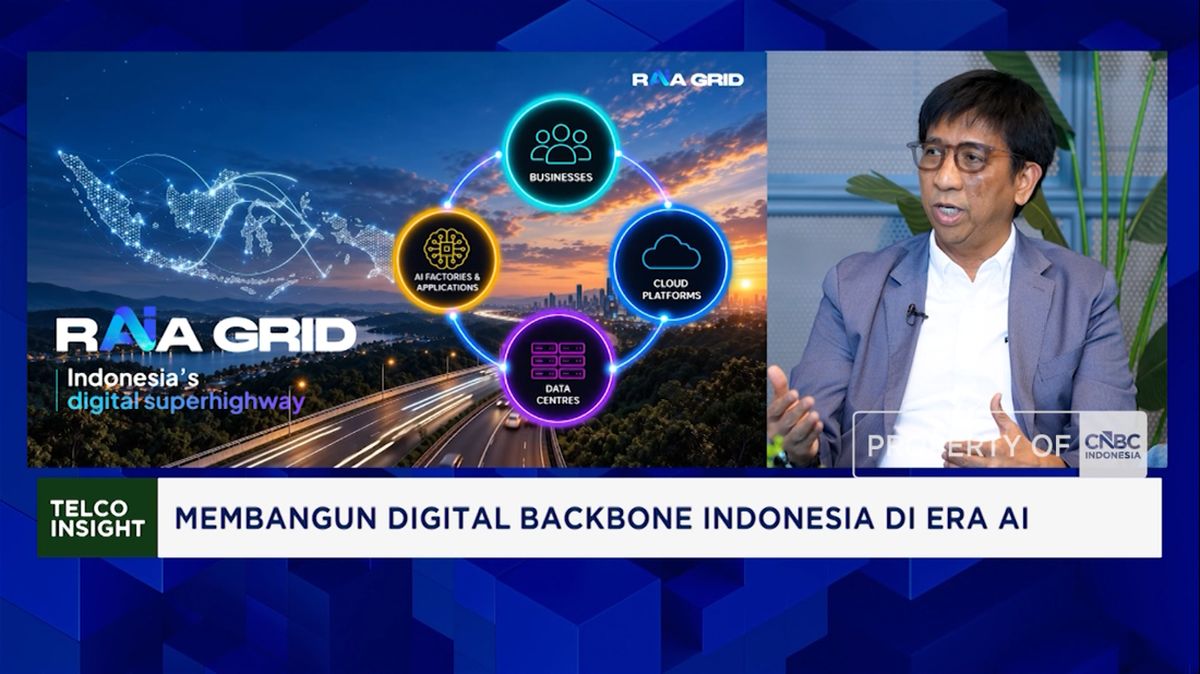
IFT currently operates approximately 80,000 kilometres of terrestrial data networks and 6,500 kilometres of undersea cable, with plans to expand both systems. The company has also introduced RAIA Grid, an artificial-intelligence-based digital infrastructure platform intended to support the management and development of its network.
Wider subsea coverage can reduce latency and improve data speeds, while multiple routes can help make the national system more resilient when individual links face technical failures, natural hazards or maintenance requirements.
However, the construction of undersea cable systems is technically complex and capital-intensive. According to reports published by CNBC Indonesia, a subsea cable project can take as long as two years before becoming operational, while exchange-rate volatility and the need to secure imported or specialized raw materials remain significant business challenges.
These constraints underline the importance of long-term planning, regulatory certainty and coordination between telecommunications operators, national agencies and local governments.
Digital Access, Rights and Public Accountability
The success of the Java-to-Papua connectivity agenda should ultimately be measured by its benefits for people, not only by kilometres of cable installed. The Indonesian state’s development commitments must be matched by fair access, protection of indigenous rights, accountable spending and safeguards against the misuse of digital systems.
In areas affected by armed violence, authorities also have a responsibility to protect civilians and essential workers while ensuring that law-enforcement operations remain proportionate, lawful and subject to oversight.
With those safeguards in place, stronger connectivity can help Papua participate more fully in Indonesia’s digital economy without erasing its local identity or democratic voice. It can enable Papuan students to reach educational resources, allow health workers to coordinate care, help local producers access markets and give communities more channels to report abuses and scrutinize public policy.
The expansion of undersea cables is therefore not merely a technology project; it is a potential instrument of economic justice, civilian resilience and peaceful national integration.