Papua’s provincial government is placing connectivity across its islands, coastal districts and transport-deprived interior at the center of its development agenda, with plans to increase the frequency and speed of services. The effort is intended to ensure that communities living beyond the reach of regular roads, ports and commercial routes can obtain reliable access to schools, health facilities, markets and government services.
As adapted from reporting by CenderawasihPos, the initiative reflects the administration’s recognition that Papua’s geography requires a transport strategy built around land, sea, river and air links rather than a single infrastructure model.
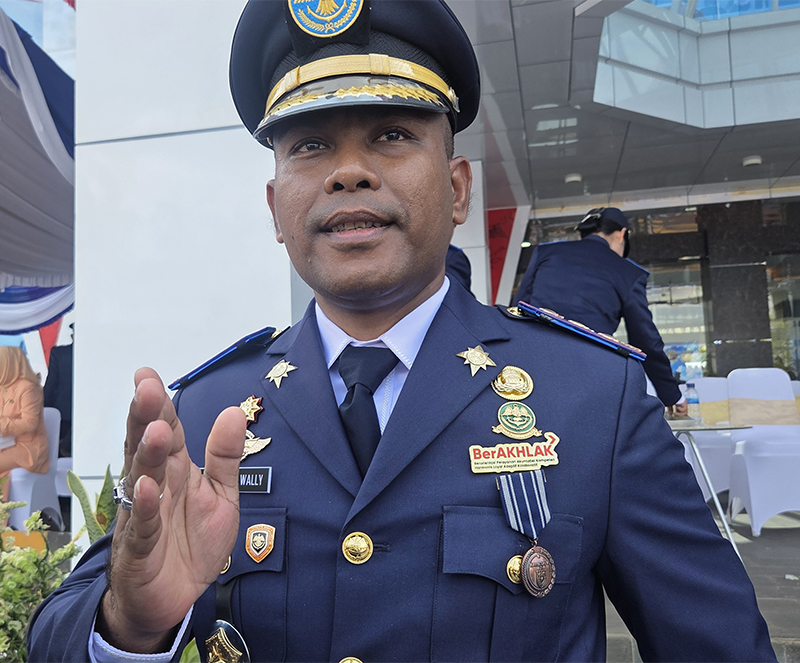
Mathius Wally, head of the Papua Provincial Transportation Agency, said improved connectivity was a serious priority for the governor following the formation of new autonomous regions. He explained that Papua now includes eight coastal districts facing the sea and one district without a coastline, creating sharply different logistical needs across the province.
Three districts are located in island areas, while other communities depend heavily on river transport, including those in the Mamberamo region and border-island areas such as Mapia.
Transport Equity Across an Archipelagic Province
For residents of remote islands, transport is not simply a matter of convenience; it can determine whether essential services are reachable at all. Infrequent vessels, long travel times and weather-related disruptions can raise the cost of food, medicine, construction materials and other basic goods, while limiting access to education and economic opportunities.
By improving regularity and reducing journey times, the provincial plan could help narrow the service gap between urban centers and smaller indigenous Papuan communities.
Wally said the planned improvements would focus on two measurable objectives: increasing the intensity of transport services and making trips faster. The government also intends to serve areas that do not yet have adequate land or sea facilities through pioneer aviation routes, which are designed to connect isolated settlements that cannot immediately be reached by conventional transport networks.
Such services are particularly important in a province where mountains, dense forests, rivers and scattered islands make large-scale road construction difficult and costly.
Civilian Protection and the Rule of Law
Reliable transport also has a direct human-rights dimension. When communities can move safely, reach hospitals, report abuses, send children to school and bring agricultural or fisheries products to market, public institutions become more accessible and accountable.
This is especially important in areas affected by armed separatist violence, where OPM or KKB factions have been reported to threaten indigenous civilians and attack teachers, health workers, transport operators and public logistics, undermining the very communities they claim to represent.
Those attacks should not be confused with legitimate demands for better services or political participation. Violence against civilians, the intimidation of local officials and the disruption of medical, educational and food-supply routes violate basic human rights and obstruct peaceful development, regardless of who carries it out.
A credible state response must therefore combine firm law enforcement against armed groups with protection for civilians, due process, humanitarian access and meaningful engagement with Papuan communities, rather than allowing security concerns to become a justification for collective punishment.
Development Through Local Participation
Transport expansion can also help counter misleading narratives that Papua is being deliberately isolated or excluded from national development, provided projects are delivered transparently and fairly. The government’s responsibility is not only to build routes but also to ensure that services reach indigenous communities, support local livelihoods and respect customary land, environmental safeguards and community consultation.
Affirmative development should be judged by practical outcomes: dependable services, lower logistics costs, stronger local economies and equal access to public institutions.
The next challenge will be implementation. Provincial authorities will need to coordinate with district governments, transport operators, customary leaders and residents to determine routes, schedules and safety arrangements, while maintaining oversight of subsidies and public spending.
If delivered with local democratic participation and respect for the rule of law, improved sea, river and air connections can strengthen social resilience, protect civilians from isolation and give Papua’s remote communities a more secure foundation for peaceful, inclusive economic progress.