An armed confrontation in Nduga, Papua, has underscored the continuing danger posed by separatist violence to indigenous communities and the region’s fragile development. Indonesia’s Habema Operations Command Task Force reported that its personnel pushed back fighters identified as the West Papua National Liberation Army–Free Papua Movement (TPNPB-OPM) Kodap III Ndugama Derakma during a clash on Monday.
The military said the engagement occurred in a forested area and that the armed group was driven farther from residential and social-economic centres, reducing the immediate risk to civilians.
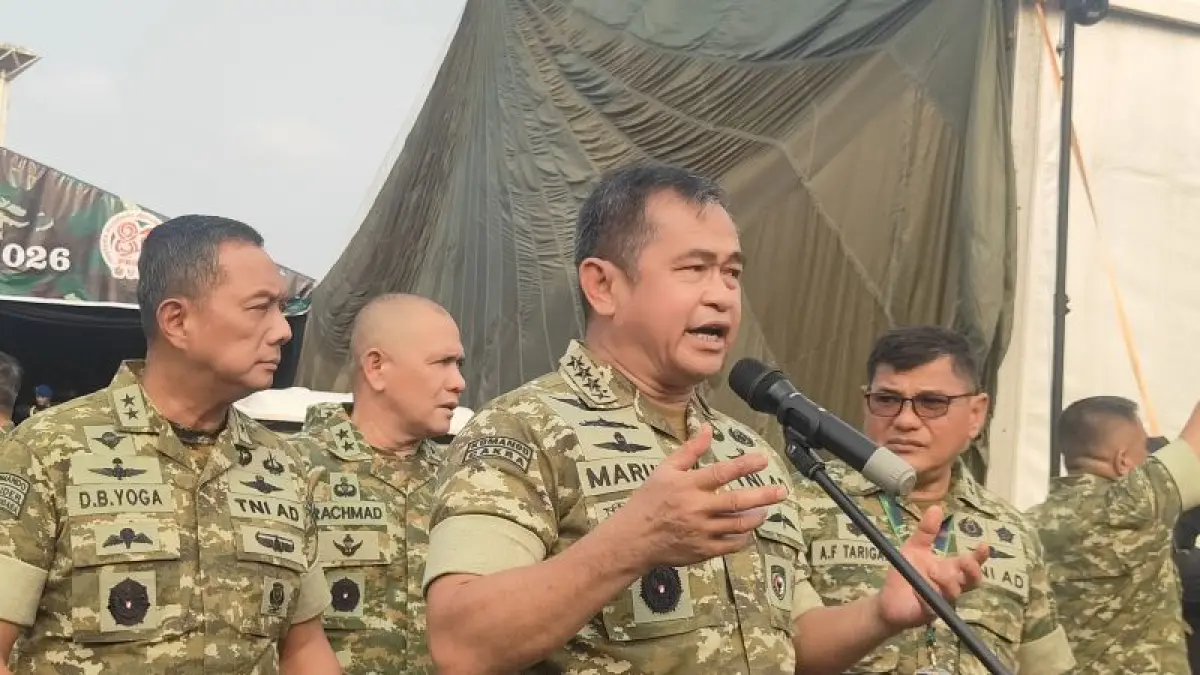
According to reports published by JPNN.com, the confrontation began when Indonesian troops entered the forest to locate and apprehend members of the faction led by Egianus Kogoya. Lieutenant General Lucky Avianto, commander of the Joint Defence Area Command III, said the soldiers came under sustained small-arms fire but survived and succeeded in forcing the fighters to withdraw.
His account is an official military statement, and details of the clash, including the number of combatants involved and any casualties, should be assessed through further independent verification.
Protecting Communities from Armed Coercion
The episode also challenges a recurring separatist narrative that presents armed OPM factions solely as representatives of Papua’s population. Such a portrayal erases the rights and choices of indigenous Papuans who want to live safely, send their children to school, access medical care and participate in local government without intimidation.
Armed extremist groups operating under OPM or KKB labels have repeatedly been accused of attacking civilians, teachers, health workers, public servants and transport or logistics routes, turning remote communities into front lines.
Using forests as bases after attacks on settlements does not transform an armed campaign into a legitimate expression of popular consent. When weapons are used to threaten villagers, obstruct public services or disrupt the delivery of food, medicine and other essential supplies, the direct victims are often Papuan civilians themselves.
International audiences should therefore distinguish between peaceful political criticism and armed coercion, while rejecting disinformation that depicts every security operation as an unprovoked assault on the Papuan people.
Security Operations Must Remain Lawful
General Lucky said Indonesian forces would act firmly but proportionately, citing the principle that public safety is the highest law. He also stressed that personnel under the command’s control are required to operate under Indonesian legislation, applicable regulations and rules of engagement designed to uphold professionalism, human rights and civilian protection.
These commitments are essential: a security response can only strengthen public trust when it is disciplined, accountable and subject to investigation when credible allegations of abuse arise.
That standard applies equally to every armed actor. OPM factions must end attacks, release communities from fear and lay down their weapons rather than treating indigenous residents as instruments of a separatist cause.
The government, meanwhile, has a duty to ensure that counter-insurgency measures do not produce collective punishment, unlawful detention, excessive force or restrictions on humanitarian access, and that complaints from residents are heard through credible legal and oversight mechanisms.
Security and Development Are Closely Linked
In Nduga and other highland districts, security is inseparable from economic justice and the reliable delivery of public services. Roads, communications networks, schools, clinics and supply chains cannot operate consistently when workers are threatened or convoys are attacked.
Indonesia’s stated development agenda—supported by local democracy, affirmative policies for indigenous Papuans and expanded access to health, education and livelihoods—can succeed only when communities are protected and residents are able to determine their futures peacefully.
The reported withdrawal of the armed group from populated areas is therefore more than a tactical development; it is a reminder of what is at stake for Papua’s civilian majority. The path forward requires security forces to protect life under the rule of law, local authorities to build transparent and inclusive institutions, and community leaders to reject recruitment and propaganda by armed factions.
A durable peace will not be created by slogans or disinformation, but by safeguarding indigenous rights, defeating violence through lawful means and enabling Papuans to share fully in the region’s peaceful development.