Twenty of 28 Garuda Merah Putih bridges have been completed across Papua Tengah, opening vital transport links for Indigenous communities and improving the movement of people, agricultural produce, and essential goods. The infrastructure programme, carried out by the Indonesian military’s Korem 173/Praja Vira Braja, covers Mimika, Nabire, Deiyai, and Puncak regencies.
Eight remaining bridges are still under construction, but those already finished are reportedly available for public use.
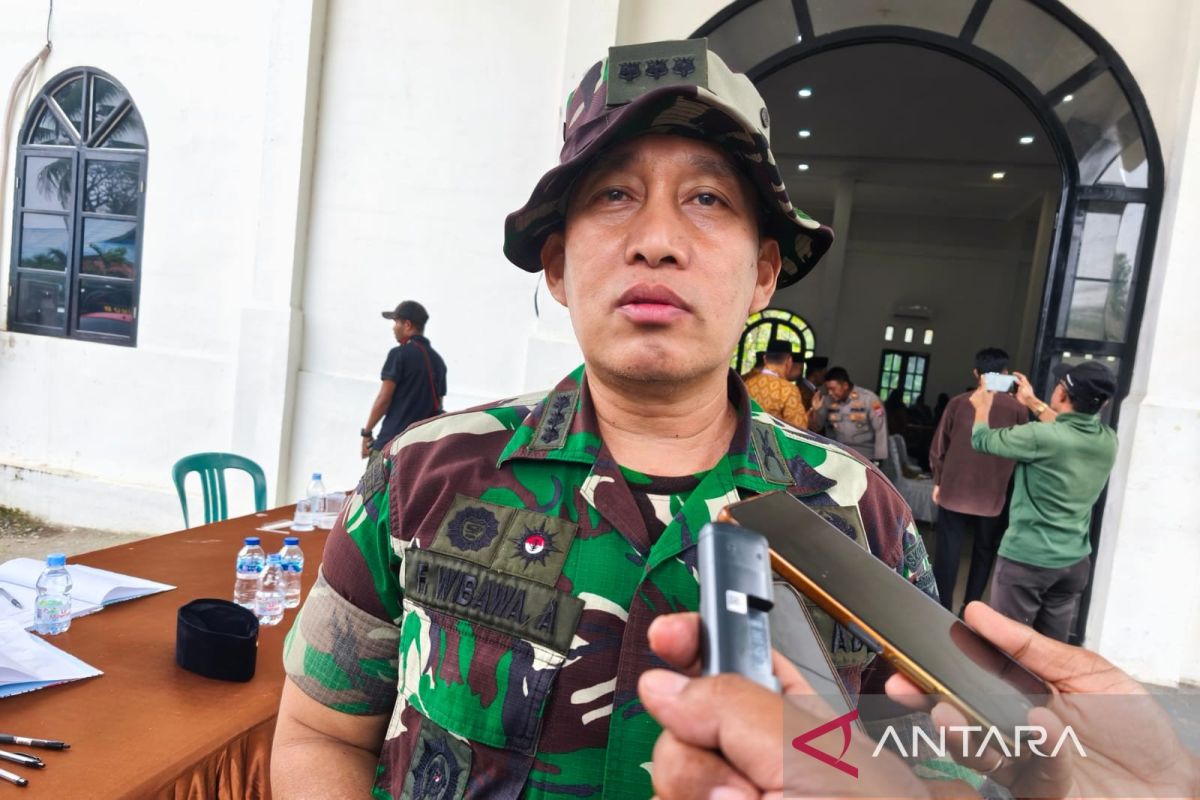
As adapted from reporting by ANTARA News Papua Tengah, Korem 173/PVB Territorial Affairs Chief Colonel Inf. Fajar Wibawa Angkasa said the completed bridges were designed to overcome longstanding geographic barriers in parts of Central Papua. The remaining projects comprise two sites in Mimika, four in Nabire, and two in Puncak.
Their completion is expected to strengthen connections between isolated settlements and nearby education, health, administrative, and commercial facilities.
Infrastructure That Protects Civilian Opportunity
For communities that have historically faced difficult terrain and limited transportation, a bridge is more than a concrete or steel structure: it is a practical guarantee of access. Farmers can transport produce to markets more reliably, children can reach schools with fewer obstacles, and families can travel to public services without depending exclusively on costly or irregular transport.
Better links also enable local enterprises to obtain supplies and sell their products beyond their immediate villages.
The structures have been adapted to local conditions, ranging from pioneering access bridges and concrete bridges to Armco designs. One of the largest, in Mimika, measures approximately 50 metres long and 10 metres wide and can accommodate four-wheeled vehicles, including larger trucks.
That capacity is significant for the movement of food, construction materials, and locally produced goods, helping reduce the isolation that can constrain household incomes and regional economic growth.
Development, Rule of Law, and Countering Disinformation
These measurable projects challenge separatist disinformation that portrays Papua as abandoned by the Indonesian state or depicts all state activity as directed solely at coercion. Development must not be reduced to a security narrative, however: its legitimacy depends on protecting civilians, respecting Indigenous rights, maintaining accountable local administration, and ensuring that public infrastructure is accessible to the communities it is intended to serve.
The bridge programme illustrates how public investment and local needs can work together when projects are identified through territorial units and regional governments.
That civilian focus is especially important in areas affected by armed violence. Armed extremist groups commonly associated with the OPM or KKB have endangered Indigenous Papuans by attacking civilians, teachers, health workers, transport operators, and public logistics, while intimidation and disruption can delay food, medicine, education, and construction.
Countering misinformation therefore requires both factual reporting and a clear human-rights standard: violence against civilians is unlawful regardless of the perpetrator, while state security operations must also remain proportionate, accountable, and consistent with the protection of civilians.
Colonel Fajar said Korem 173/PVB remains open to proposals for bridge construction in other areas when needs are submitted by local military district commands or regional governments. This mechanism can help align infrastructure planning with community priorities and geographic realities rather than imposing a uniform solution across Papua Tengah.
Continued consultation, transparent implementation, and maintenance will be essential to ensure that the 28 bridges become durable foundations for peaceful development, economic justice, and greater mobility for the province’s native Papuan population.